Understanding Drain Clogs in New Hampshire Homes
Homes everywhere face real challenges when it comes to drain clogs. Soil can work its way into older, cracked pipes, and hard water deposits are common in many areas, so blockages are a fact of life for homeowners.
Rocky glacial soil and shallow ledge are common in New Hampshire, which can make digging for sewer and water lines slow and expensive.
Grease buildup from cooking, hair, and even tree roots seeking moisture can all contribute to slow drains and full-on backups. When your sink won't drain or your toilet overflows, it's time to consider a professional drain cleaning. But what's the best approach: traditional snaking or modern hydro jetting?
Drain Snaking: The Go-To for Simple Clogs
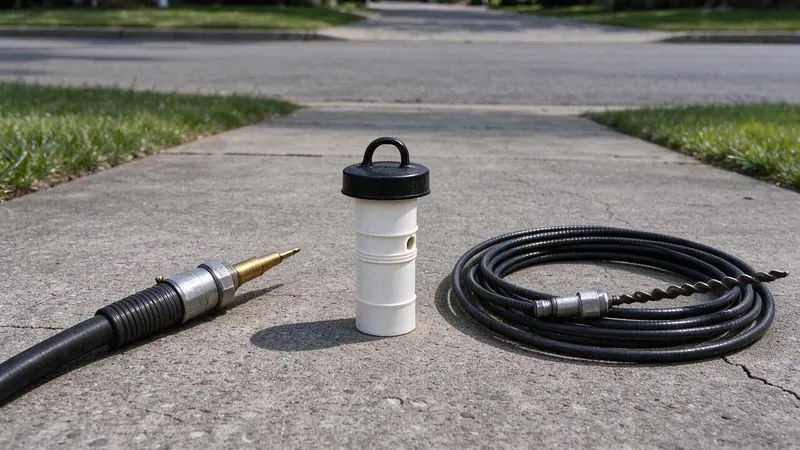
Drain snaking, also known as augering, is a proven method for clearing common clogs. A plumber uses a long, flexible cable with an auger head on the end, feeding it into your drain line. This cable is manually or electrically rotated, allowing the auger head to break through or pull out obstructions like hairballs, food scraps, or small foreign objects. Snaking is generally effective for clogs that are relatively close to the drain opening and are not deeply embedded or extensive. It's a good first step for many residential drain issues, especially in kitchen sinks, bathroom drains, and utility tubs.
For example, if your shower drain is slow because of built-up hair and soap scum, a drain snake can often clear it efficiently. The cost for a professional snaking service typically ranges from $150 to $400, depending on the severity and location of the clog. While effective for many situations, snaking doesn't always clean the entire pipe wall, meaning some buildup can remain, possibly leading to future clogs.
Hydro Jetting: Powerful Cleaning for Stubborn Blockages
Hydro jetting is a more advanced and powerful drain cleaning method. It uses high-pressure water streams, often exceeding 4,000 PSI, to blast away obstructions and completely clean the inside of your pipes. Think of it like a power washer for your drains. This process not only breaks up clogs but also scours the pipe walls, removing grease, mineral deposits, scale, and even tree roots that have gotten into the system. For homes with older cast iron or galvanized pipes, where mineral buildup from hard water is common, hydro jetting can restore pipes to near-original flow capacity.
Water in much of New Hampshire is soft and often slightly acidic, which can gradually wear down copper pipe and cause pinhole leaks.
Hydro jetting is especially effective for:
- Persistent or recurring clogs that snaking can't fully clear.
- Grease buildup in kitchen lines, which is a frequent issue in many homes.
- Tree root intrusion, especially troublesome in older neighborhoods with mature trees.
- Heavy sludge and sediment accumulation in main sewer lines.
- Preparing pipes for inspection or repair, as it provides a clean surface.
The cost for hydro jetting is generally higher than snaking, usually ranging from $400 to $800 or more, depending on the length and diameter of the pipe being cleaned and the severity of the blockage. However, its comprehensive cleaning can prevent future clogs, saving you money in the long run.
When to Choose Which Method
The choice between snaking and hydro jetting depends mostly on the nature and severity of your clog. Here's a simple guide:
- Choose Snaking if: You have a localized, simple clog like a hairball or small food obstruction. It's often the quickest and most cost-effective solution for minor blockages.
- Choose Hydro Jetting if: You're dealing with recurring clogs, slow drains throughout your home, suspect tree roots, or need a complete pipe cleaning. It's also recommended for commercial properties with heavy grease buildup.
Before any hydro jetting, especially on older pipes, a camera inspection is often recommended to ensure your pipes are sound enough to withstand the high pressure. This helps prevent damage to already compromised lines, a crucial step given the varied age of housing stock across New Hampshire.
Newer homes mostly rely on copper or PEX supply lines with plastic drains, which hold up better against corrosive water.
When to Call a Professional
While some minor clogs might be tackled with a plunger, persistent or severe drain issues require professional attention. Attempting to clear major blockages yourself without the right tools or expertise can lead to further damage to your plumbing system. If you're experiencing slow drains, foul odors from your pipes, or sewage backups, don't wait. Contact FVR Plumbing at (844) 442-1569. Our experienced plumbers understand the plumbing challenges faced by homeowners across New Hampshire, and we can properly diagnose your drain problem and recommend the most effective and safest drain cleaning method, whether it's snaking or hydro jetting, to get your plumbing flowing smoothly again.
Need a licensed plumber in New Hampshire?
FVR Plumbing answers 24/7 and offers same-day service across New Hampshire.