Tankless vs. Tank Water Heaters: What Works Best in New Hampshire
When it comes to water heaters, New Hampshire homeowners have two main options: traditional tank units and modern tankless systems. Both have their advantages and disadvantages, especially when considering local climate, water conditions, and home styles. At FVR Plumbing, we've installed, repaired, and serviced countless units of both types. Let's break down what works best for homes in New Hampshire.
The Traditional Tank Water Heater: A Household Staple
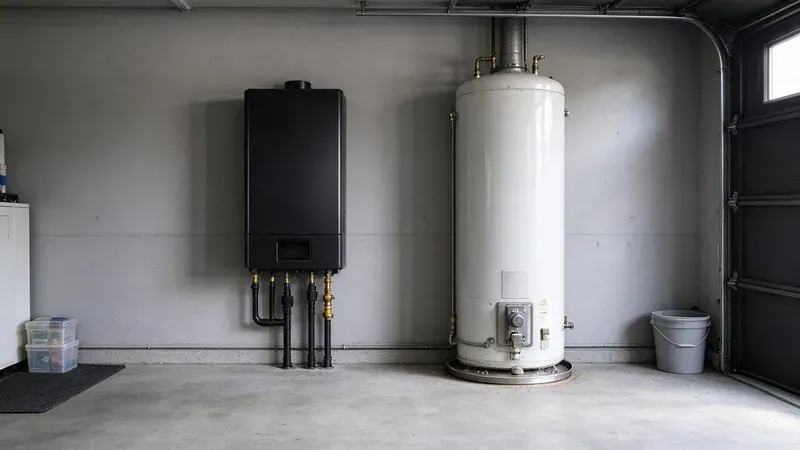
For decades, the tank water heater has been the standard in American homes. These units store and heat a large volume of water, typically 40 to 80 gallons, ready for use. They are generally less expensive to purchase and install upfront. Most older homes, particularly those built before the 2000s, were designed with a dedicated space for a tank water heater, often in a garage, utility closet, basement, or attic. Their simplicity in operation means fewer complex components, which can often mean easier and less costly repairs.
Newer homes mostly rely on copper or PEX supply lines with plastic drains, which hold up better against corrosive water.
However, tank water heaters are less energy efficient because they constantly heat water, even when you're not using it. This standby heat loss can add up on your energy bill, especially in warm months when you might not need as much hot water. They also have a finite supply of hot water. If you have a large family or frequently run multiple hot water appliances at the same time, you might run out of hot water, leading to cold showers. The lifespan of a typical tank water heater is around 10 to 15 years, and they are prone to sediment buildup, which is common wherever the water supply is hard.
Tankless Water Heaters: On-Demand Hot Water for New Hampshire Homes
Tankless water heaters, also known as on-demand water heaters, only heat water as you need it. When you turn on a hot water tap, cold water travels through a heat exchanger in the unit, where a gas burner or electric element quickly heats it. This means you get a continuous supply of hot water, which is a significant advantage for larger families or homes with high hot water demands. There's no tank to fill, so you never run out of hot water.
The energy efficiency of tankless units is a big draw. Since they only operate when hot water is needed, they eliminate standby heat loss, potentially saving you money on utility bills. They also have a longer lifespan, often 20 years or more, and take up much less space, as they are typically mounted on a wall. This can free up valuable square footage in garages or utility closets, which is a real bonus in older, smaller homes.
The main drawbacks for tankless systems are the higher upfront cost and more involved installation. They often require upgrades to gas lines or electrical systems, and proper venting is crucial, especially for gas models. Homes with hard water will also need regular descaling maintenance to keep the unit running efficiently and extend its life. This involves flushing the system with a vinegar solution to remove mineral deposits.
Considerations for New Hampshire Homeowners
A large share of homes rely on private wells, and some wells carry naturally occurring arsenic, radon or iron that call for treatment.
- Water Hardness: Both tank and tankless heaters are affected by mineral buildup. Tankless units can be more vulnerable and require annual descaling to maintain efficiency and warranty. Tank units will also accumulate sediment, leading to reduced efficiency and final failure.
- Energy Costs: In many areas, natural gas costs less than electricity. If you have natural gas available, a gas tankless unit can be very efficient. Electric tankless units, while viable, often require major electrical service upgrades that can be costly.
- Space: Tankless units are compact and can be installed in tighter spaces, even outdoors in protected areas where the climate allows it. Tank units require a dedicated closet or corner.
- Cold Weather Performance: Freezes can happen even in mild climates. Tankless units, especially those installed outside or in unheated garages, need adequate freeze protection. Tank units, if located in an unheated space, are also vulnerable to freezing pipes if not adequately insulated.
- Maintenance: Regular maintenance is key for both. Tank units benefit from annual flushing to remove sediment. Tankless units need descaling, which is a more detailed process.
Humid summers bring condensation on cold water lines and damp basements that can hide slow leaks.
When to Call a Professional
Choosing the right water heater for your home involves more than just picking a type. Factors like your home's hot water demand, existing plumbing and electrical setup, and budget all play a role. An experienced plumber can assess your specific situation and recommend the best solution. If you're noticing rusty water, strange noises from your water heater, a leak, or simply aren't getting enough hot water, it's time to call in the pros.
At FVR Plumbing, we specialize in water heater installation, repair, and maintenance across NH. Whether you're looking to upgrade to an energy-efficient tankless system or need a dependable replacement for your traditional tank unit, our skilled technicians are here to help. Don't hesitate to reach out for an assessment or service. Give us a call at (844) 442-1569 today.
Need a licensed plumber in New Hampshire?
FVR Plumbing answers 24/7 and offers same-day service across New Hampshire.